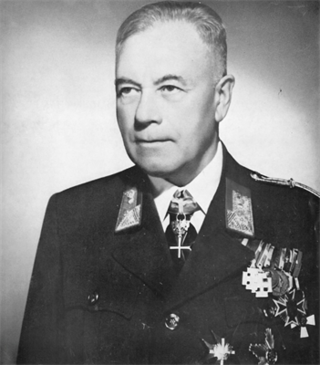
Dr. Josef Kimmel
Personalia
Born:
Died:
Profession:
Persecution:
Imprisonment March 13, 1938 – April 2, 1938,
Dachau Concentration Camp April 2, 1938 – November 17, 1938,
Imprisonment December 17, 1938 – March 7, 1939,
Release June 22, 1939
KZ Number:
Memberships
Curriculum Vitae
After graduating from high school, Josef Kimmel began studying law at the University of Vienna but was drafted into the army in 1915. After the war, he resumed his studies in Graz, completing them in 1919 with a doctorate in law (Dr. iur.). He then entered the service of the Gendarmerie. After attending the Gendarmerie Academy in Graz, he was appointed director of the Gendarmerie School in Vienna (a position he held until 1932). As course commander, he took particular interest in the training of future gendarmes.
In 1927, he joined the Rudolfina fraternity. He became an official in the Fatherland Front and served as adjutant to the Federal Chancellor after 1934, as well as commander of a gendarmerie division at the Lower Austrian Provincial Gendarmerie Command. In addition, he served as Director General of Public Safety. He was also a member of the State Council from 1934 to 1938.
Following the occupation of Austria by the Third Reich, Josef Kimmel was arrested on March 13, 1938, and taken to the Vienna Police Detention Center. As part of the so-called “Prominent Transport,” he was sent to the Dachau concentration camp on April 2, 1938, and remained imprisoned there until November 17, 1938. From December 17, 1938, to March 7, 1939, he was again imprisoned at Rossauerlände, and on July 22, 1939, he was discharged from the gendarmerie, his final rank being gendarmerie major. After his release, he remained under police surveillance.
After the war, Josef Kimmel was rehabilitated and returned to the gendarmerie; he first served as provisional provincial commander of Lower Austria, then rebuilt the gendarmerie in the Soviet-occupied zone. In 1949, he was appointed Central Commander of the Gendarmerie and General of the Gendarmerie. He retired in 1962 and ran unsuccessfully for the office of Federal President in 1963.
He died in Vienna at the age of 85.
Based on a review, I hereby inform you that Mr. Kimmel, Dr. Josef, born May 28, 1897, residing at Schönbrunnerstraße 48, Vienna 5, is still to be considered an opponent.
In Vienna, Josef Kimmel witnessed the liberation of Austria and the restoration of the Republic in April and May 1945, respectively.He was rehabilitated and returned to the gendarmerie, first serving as provisional provincial commander of Lower Austria, then rebuilding the gendarmerie in the Soviet-occupied zone. In 1949, he was appointed Central Commander of the Gendarmerie and promoted to General of the Gendarmerie. He retired in 1962 and ran unsuccessfully for the office of Federal President in 1963.
He died in Vienna at the age of 85 and was laid to rest at the Vienna Central Cemetery.
Citations
- Krause, Peter/Reinelt, Herbert/Schmitt, Helmut (2020): Farbe tragen, Farbe bekennen. Katholische Korporierte in Widerstand und Verfolgung. Teil 2. Kuhl, Manfred (ÖVfStG, Wien), p. 161/162.
Wiener Stadt- und Landesarchiv (WStLA)